


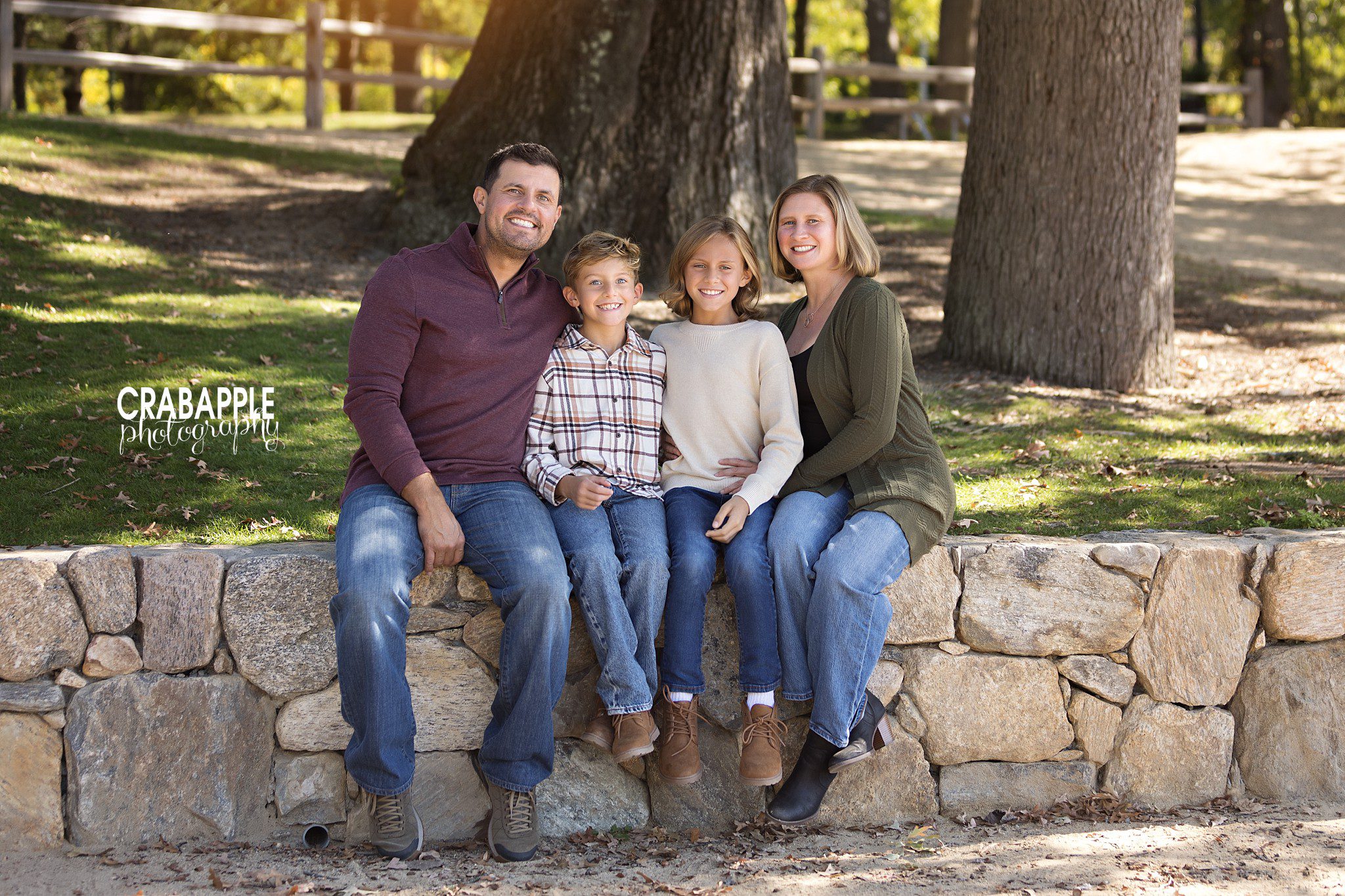
One of the biggest advantages of outdoor family photography is movement. Unlike studio sessions, where we can focus on clean compositions and a more controlled environment, outdoor sessions give families room to walk, explore, play, and interact naturally. When I’m photographing a family outdoors, I’m not looking for everyone to hold the exact same pose throughout the session. Instead, I use the location, the light, and the natural movement of the family to create a variety of images that feel connected without looking repetitive.
If you’re wondering what to do with your hands, where to stand, or how your children are supposed to pose for outdoor family photos, these are some of my favorite ways to use the outdoors to create natural family portraits.


Why Walking Together Creates Beautiful Images
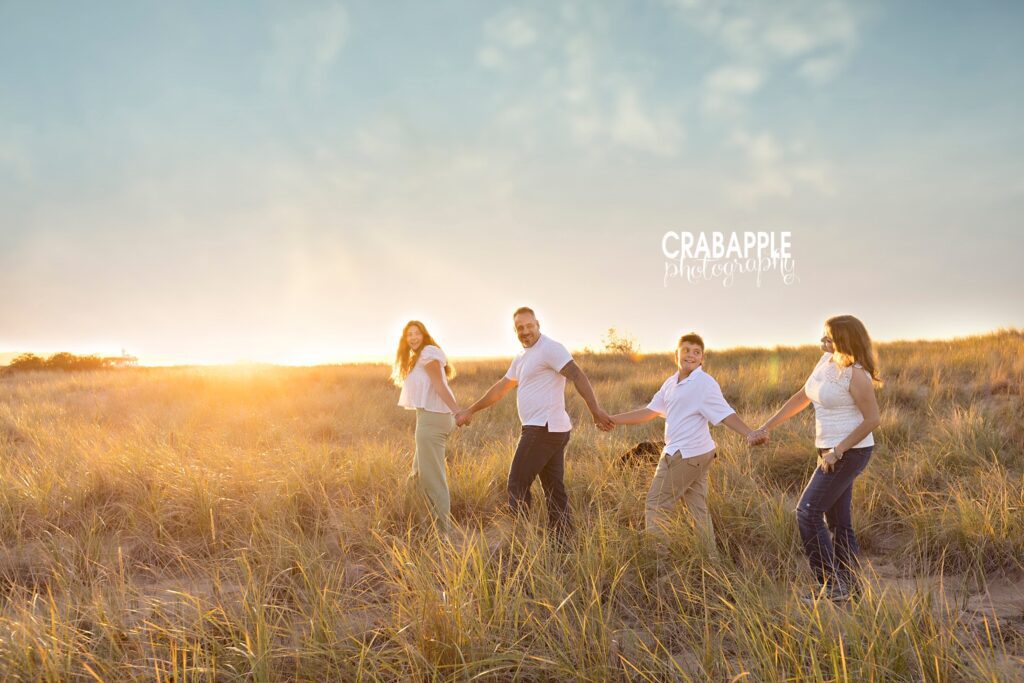
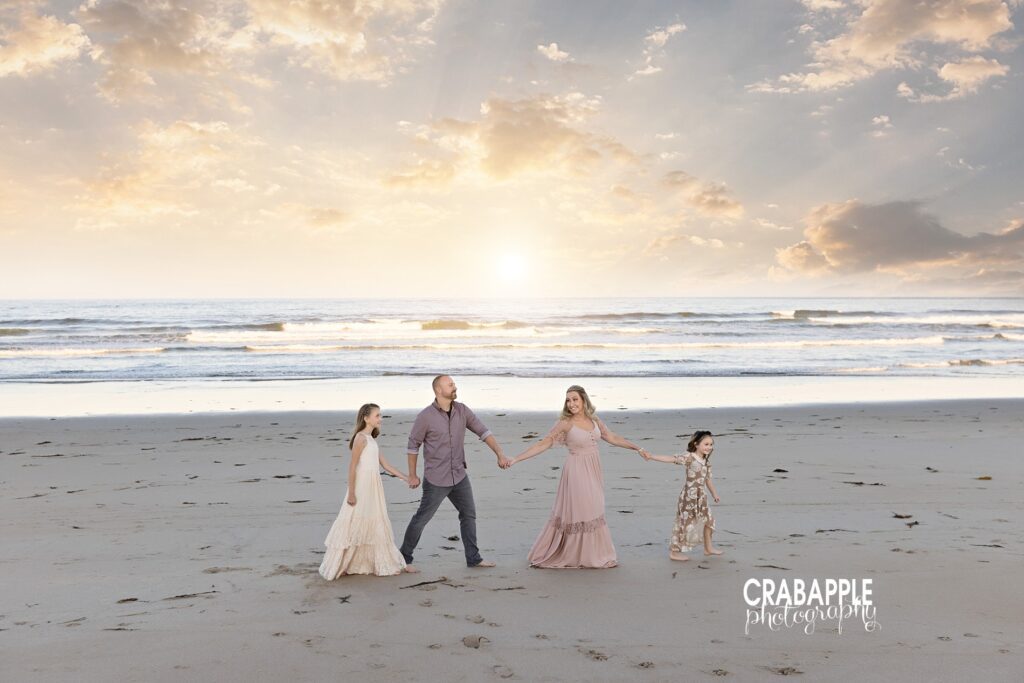
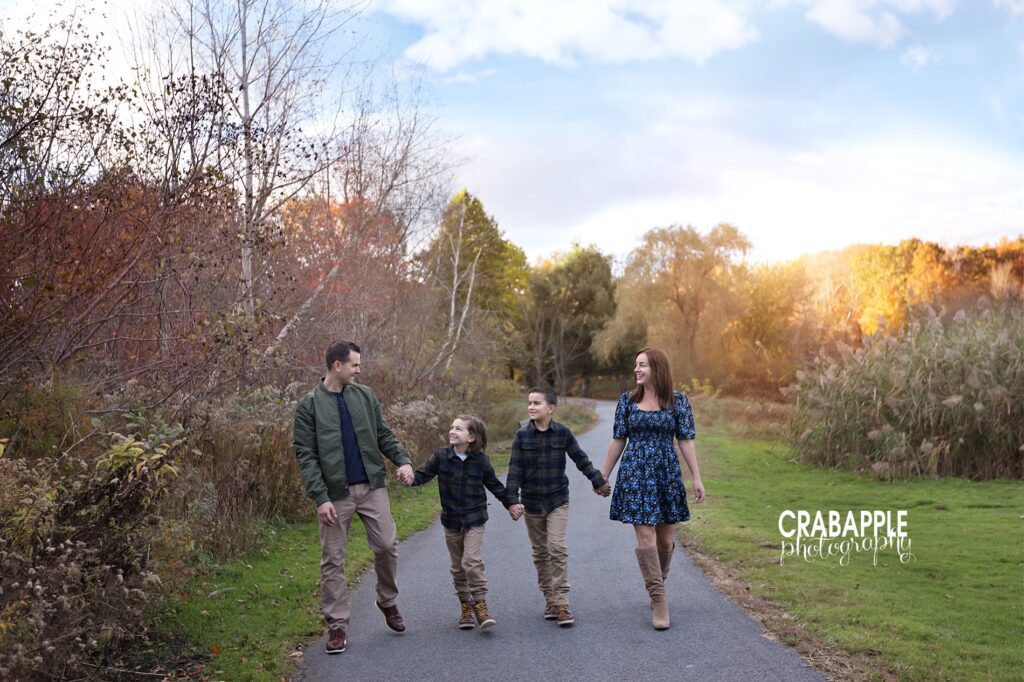
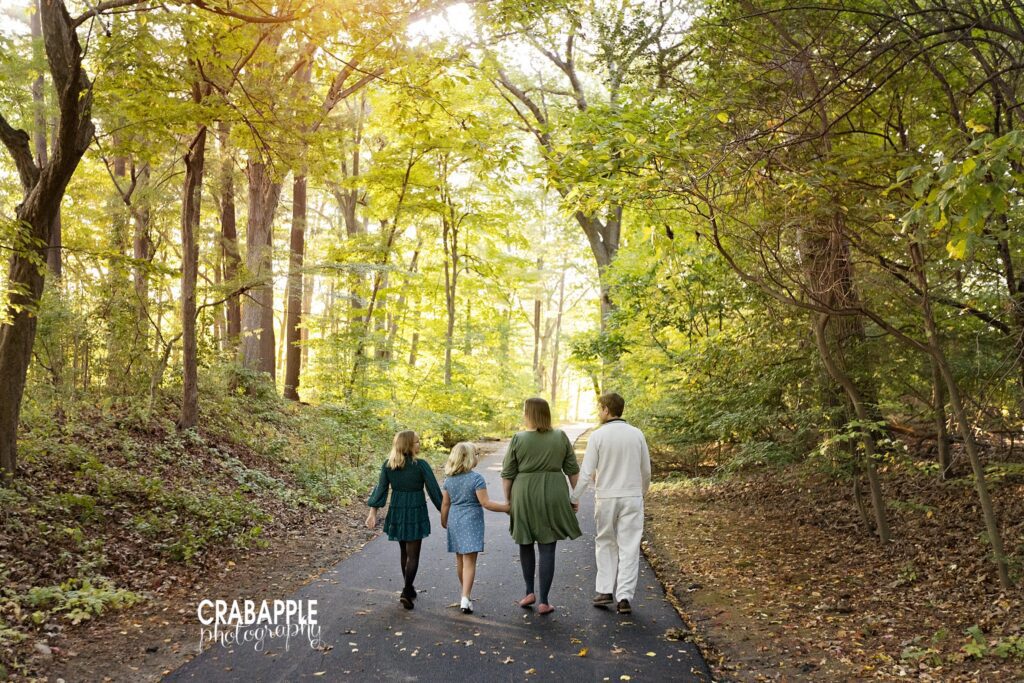
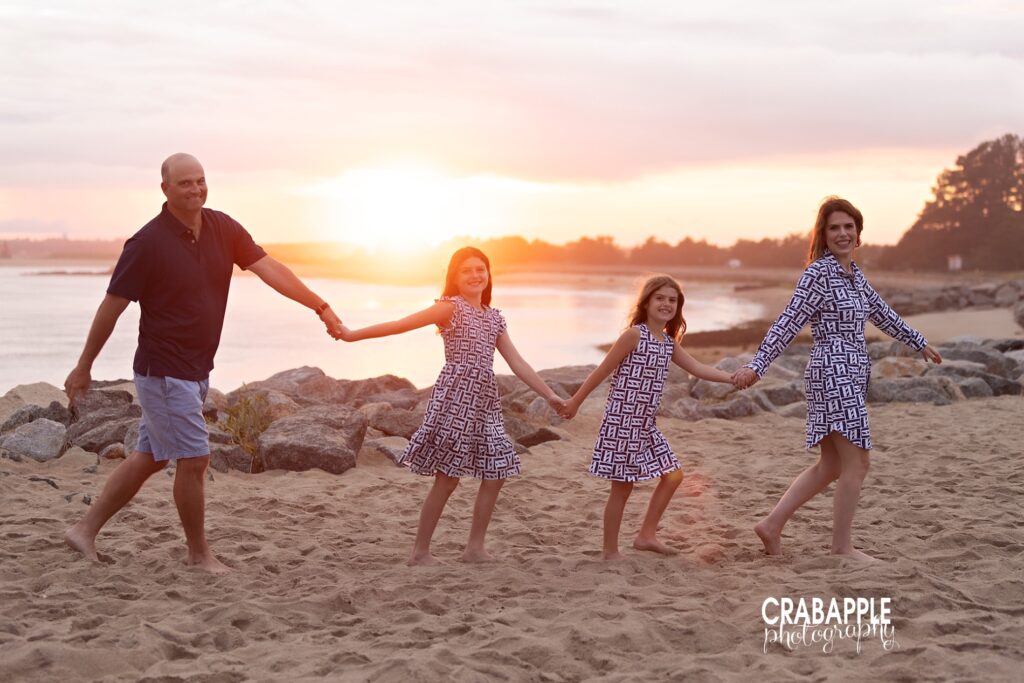
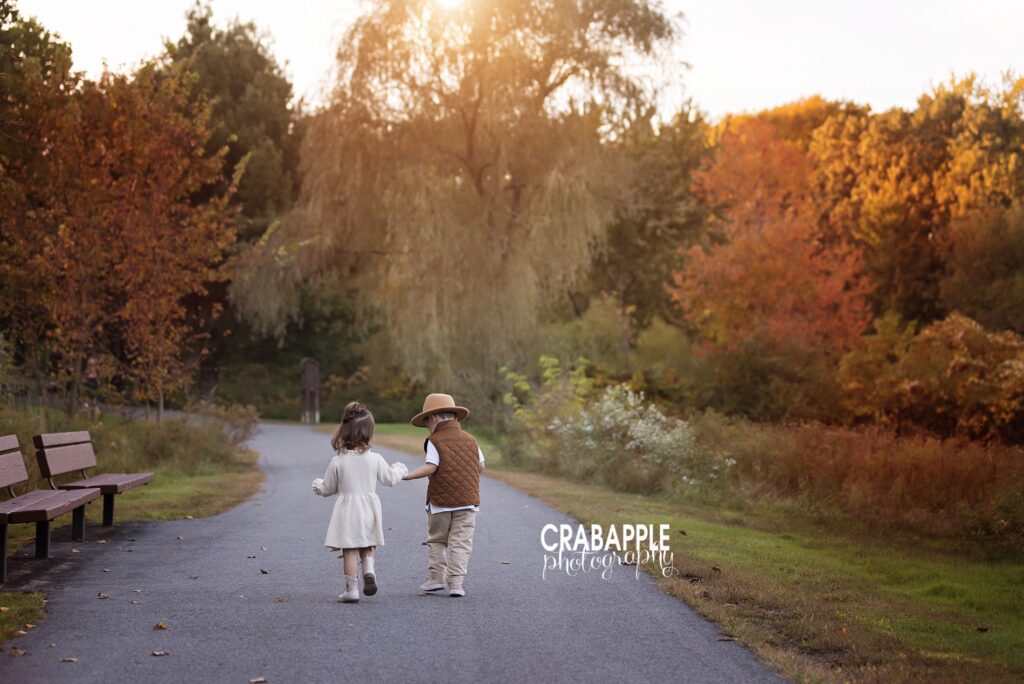
Walking is one of my favorite ways to begin an outdoor family session, especially when children are nervous about being photographed. Instead of immediately asking everyone to stand still and smile, I can give the family something simple to do: hold hands and walk together.
A path through the woods, a beach, an open field, or a row of trees can all become part of the photograph. As the family walks, I can photograph them from different angles, including walking toward the camera, away from the camera, or interacting with one another along the way.
The best part is that walking doesn’t really feel like posing. Parents can talk to their children, siblings can interact, and everyone has something to focus on besides the camera.

Why Letting Kids Run Is Key For Perfect Photos
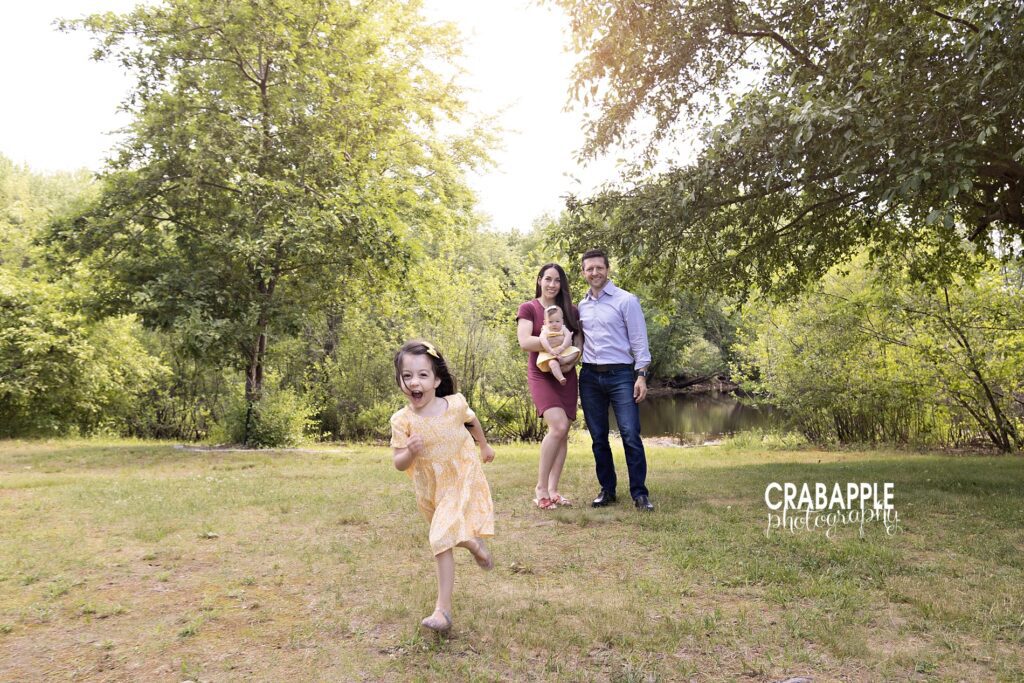
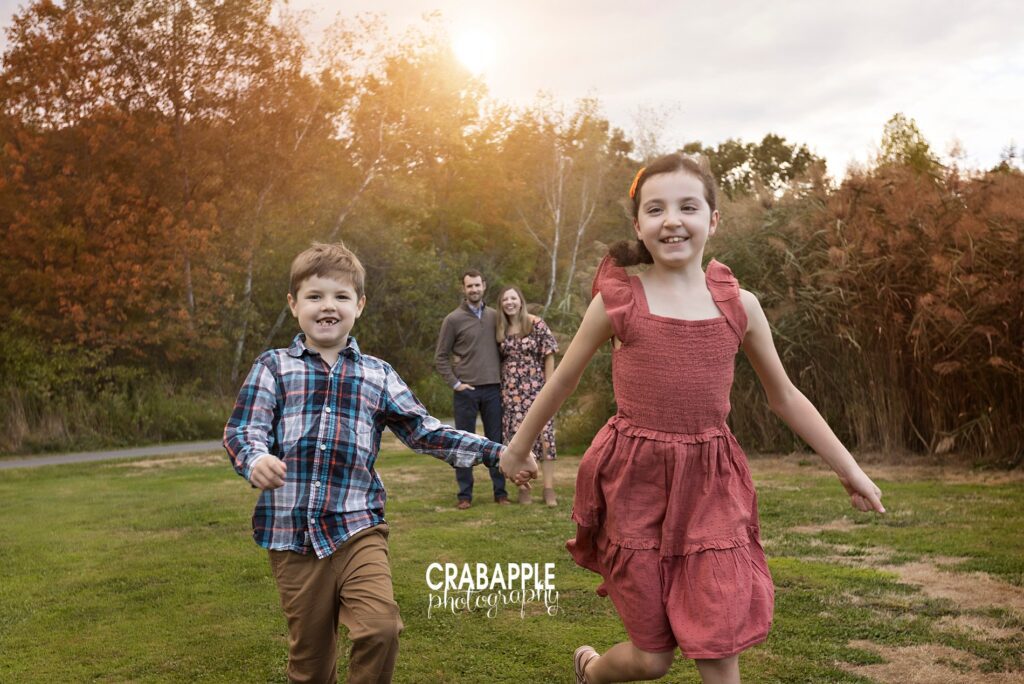
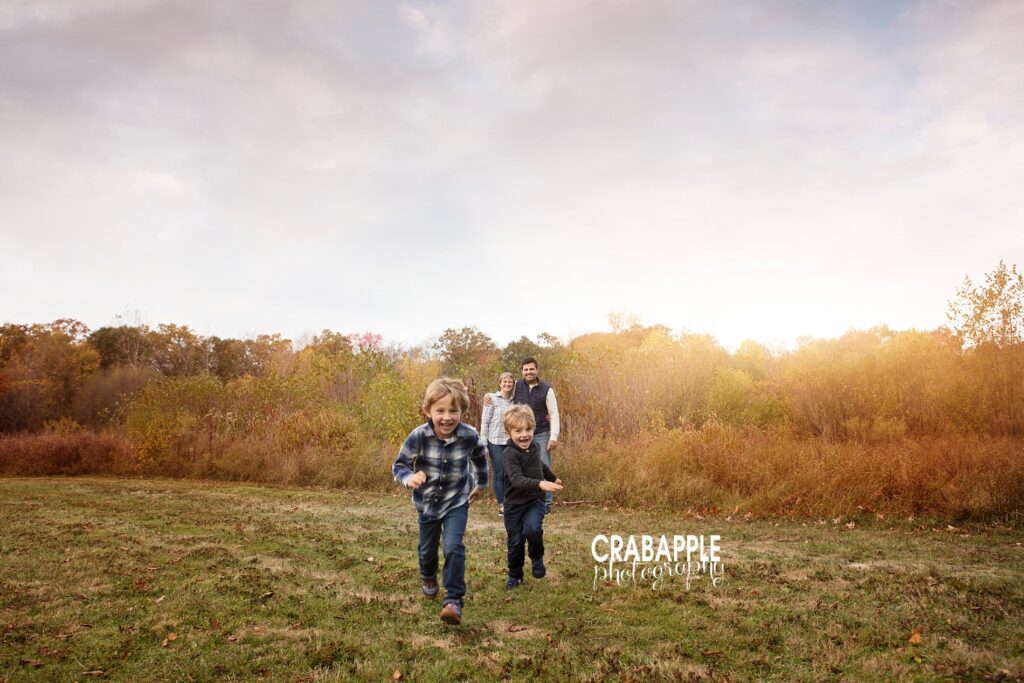
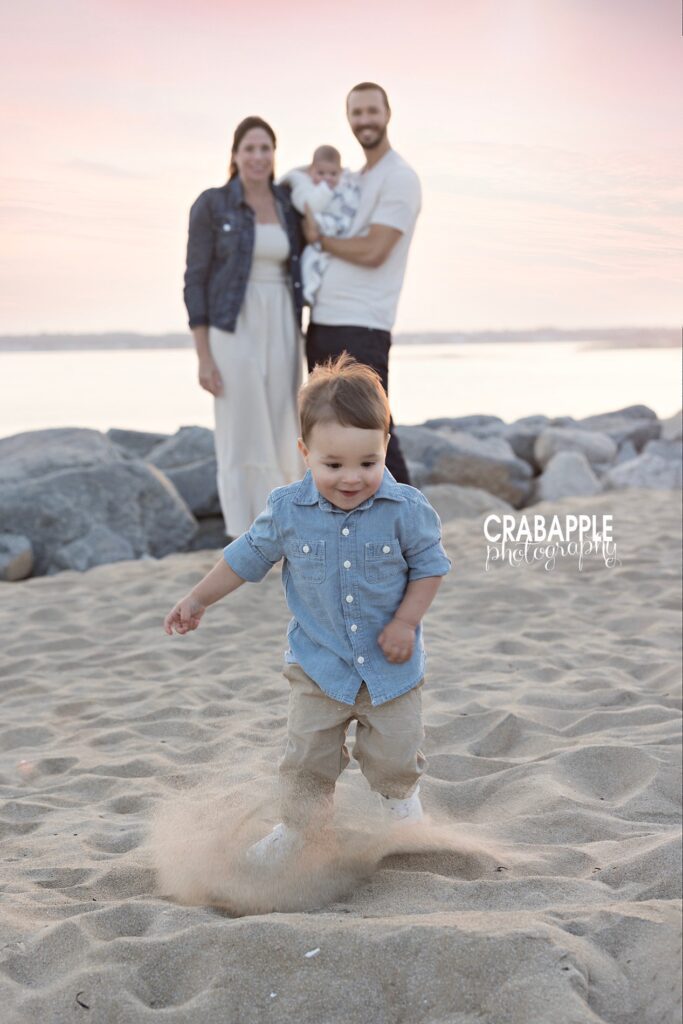
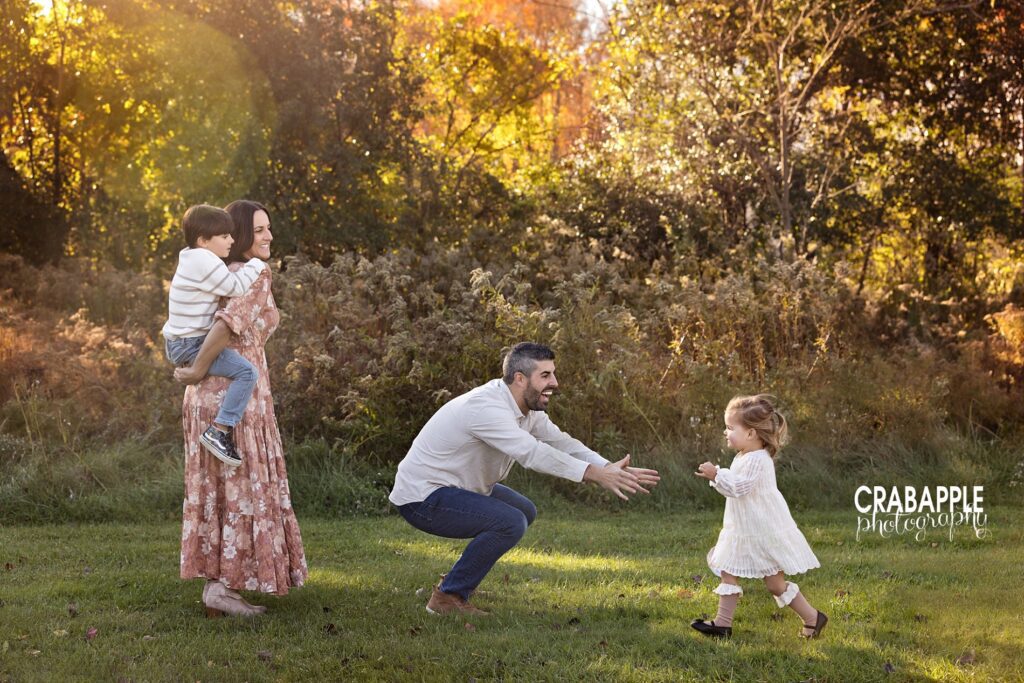
Outdoor family photos don’t always need everyone moving at the same pace. Sometimes the best thing you can do is let the kids run.
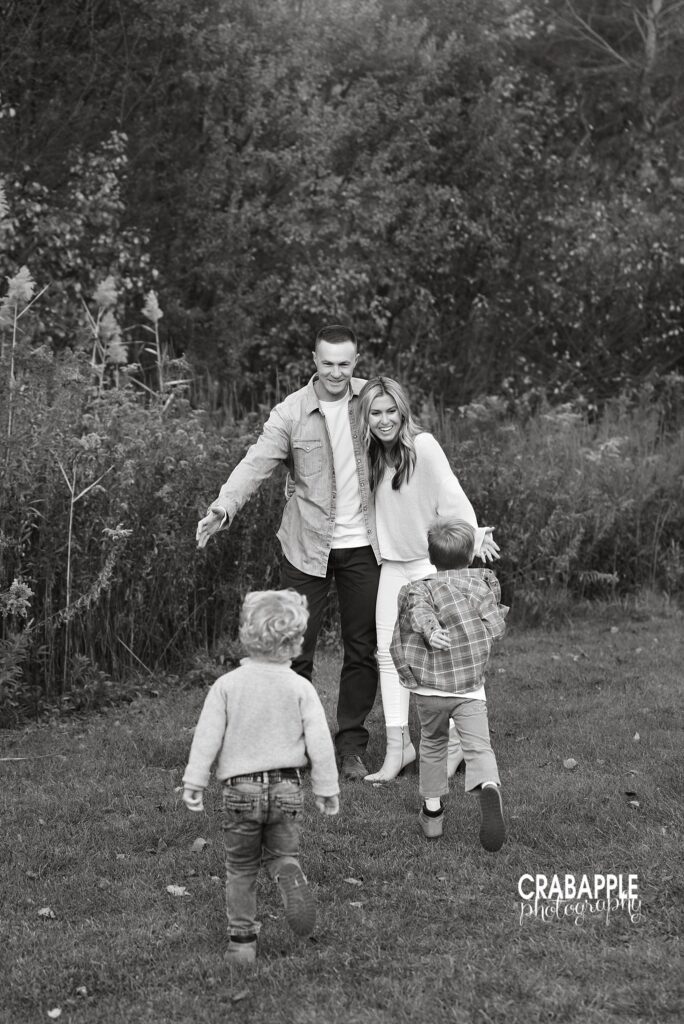
For younger children especially, giving them permission to move can completely change the energy of a session. They can run toward the camera, race down a path, run between their parents, or simply explore the space around them.
I can photograph the children while their parents stay nearby, creating images that show both their personalities and their connection as a family. This works particularly well in open spaces where children have room to move safely, such as a field, beach, park, or wide trail.
Why Piggyback Rides and Shoulder Rides Are A Great Idea for Portraits
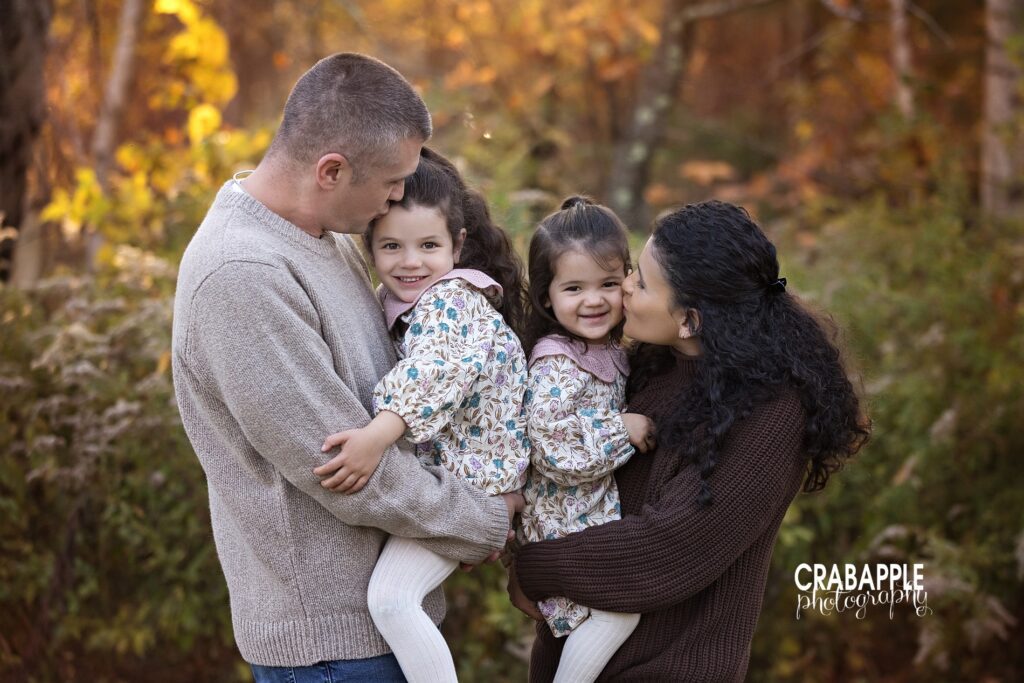
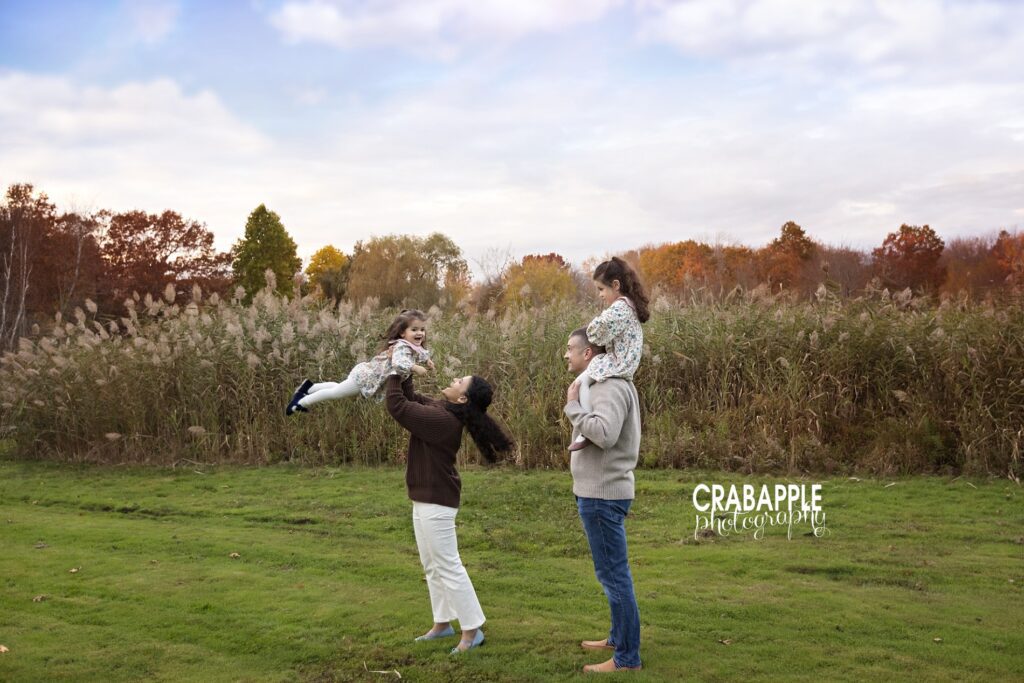
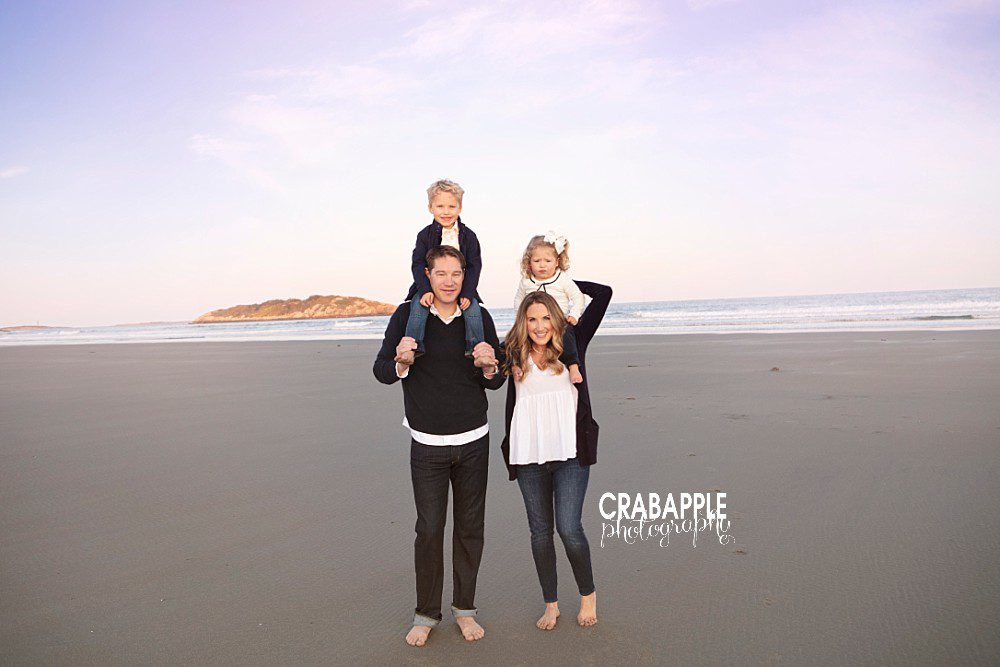
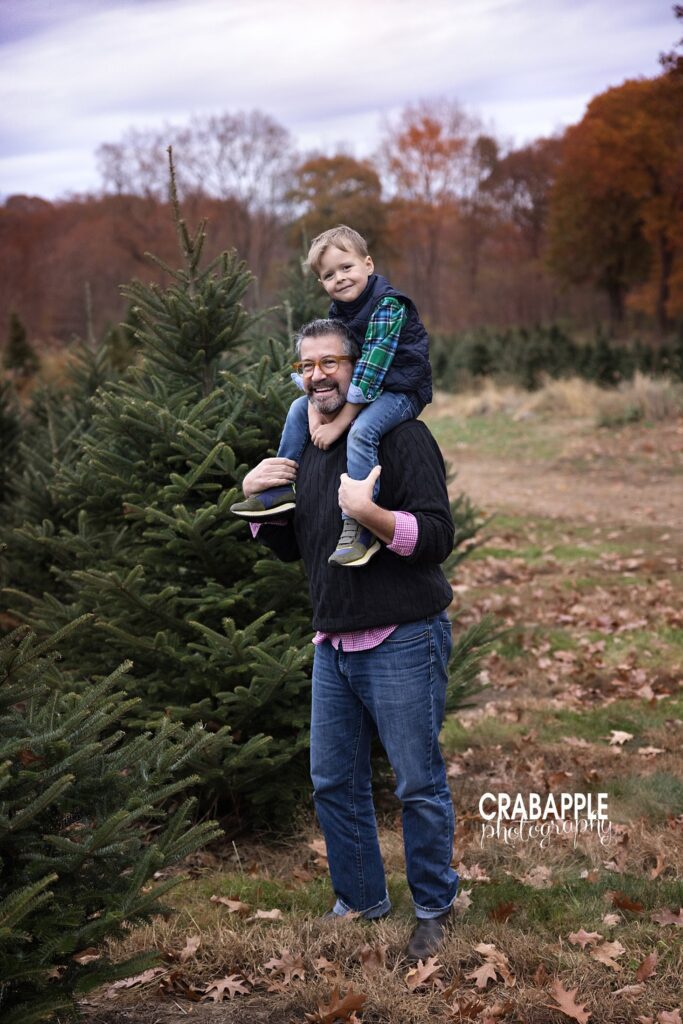
Piggyback rides are another easy way to incorporate movement into outdoor family photos. Rather than asking a child to stand still for another portrait, a parent can give them a piggyback ride or lift them onto their shoulders. It creates an entirely different type of interaction and gives children a chance to be playful with their parents.
These photographs can also work beautifully when combined with walking. A parent carrying a child down a path or through a field creates movement while still keeping the family connected.
And, as is often the case with children, the less they feel like they’re posing, the more genuine their expressions tend to be.

Why Swinging Children Between Parents Can Make Perfect Keepsakes
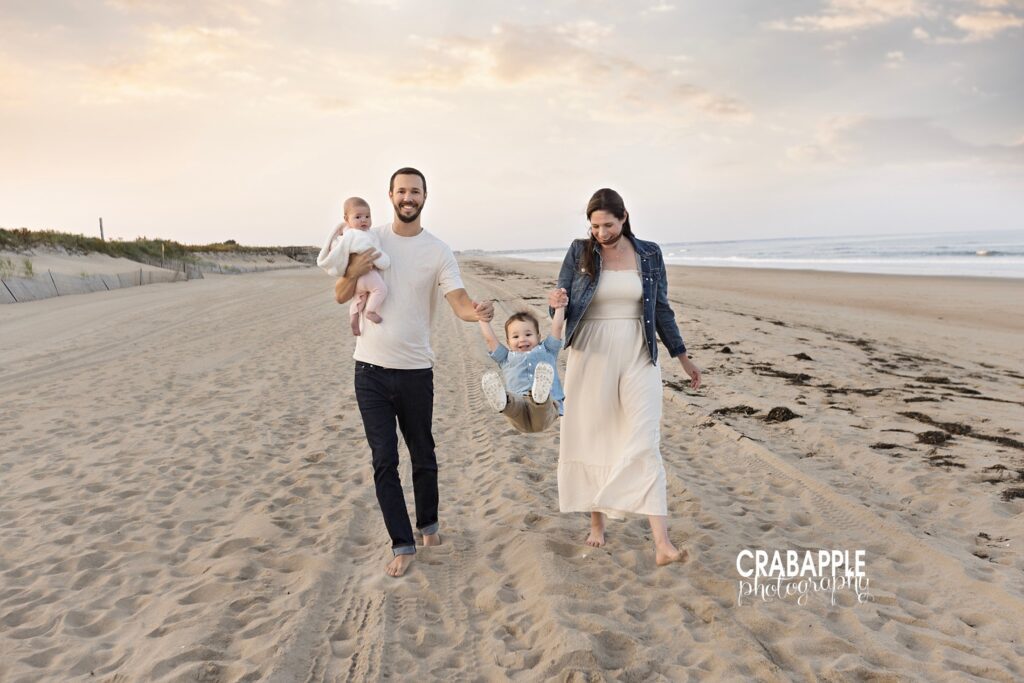
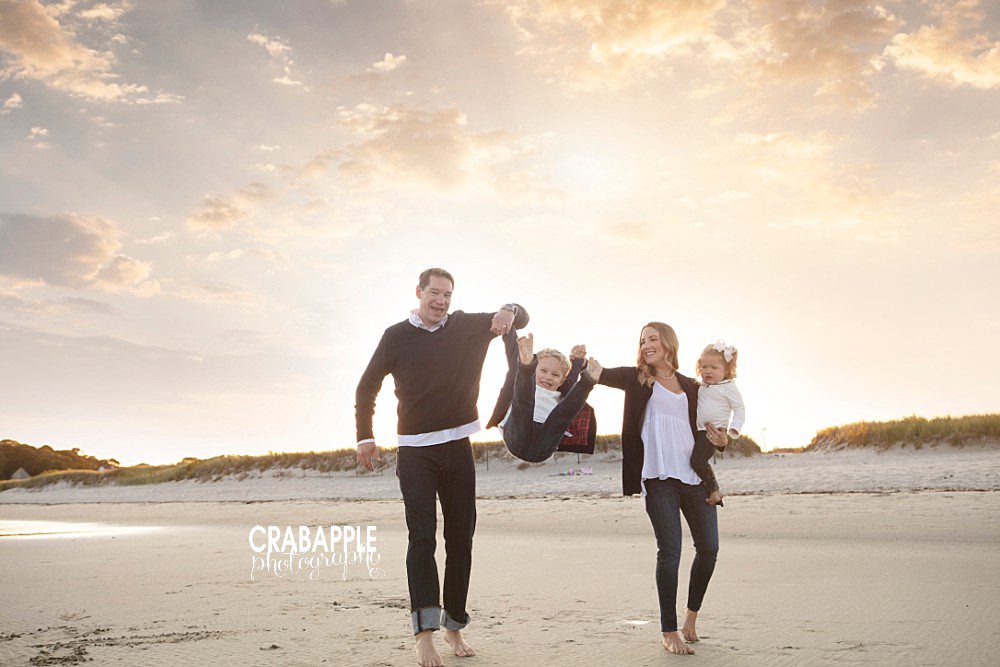
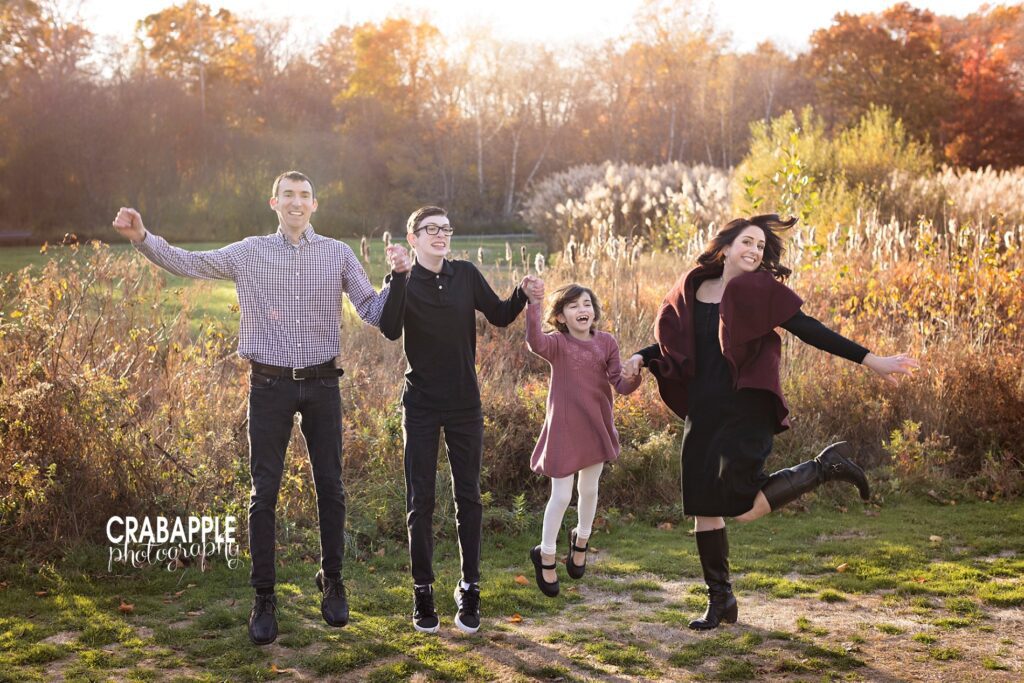
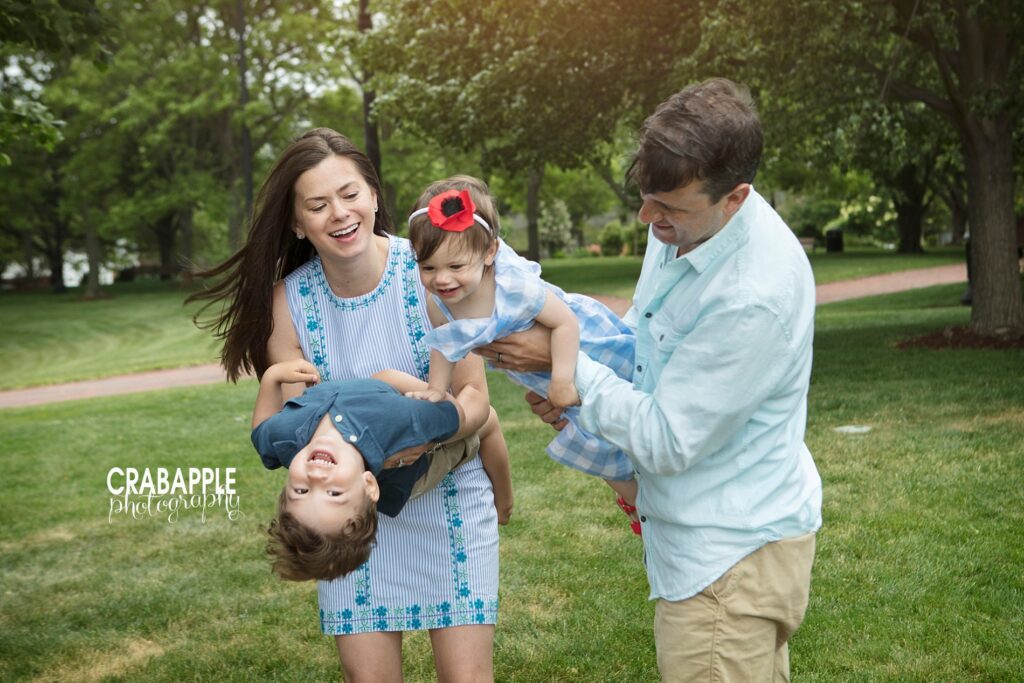
For families with younger children, swinging a child between two parents can create some of the biggest smiles of the session. Parents hold the child’s hands while gently swinging them between the two of them. They can do this while standing in one place or while walking together.
It’s simple, active, and usually much more fun for a young child than being told to stand still and smile.
Outdoor locations make this particularly easy because there is plenty of room to move, and the surrounding landscape can become part of the image.


Why Sitting Together in the Landscape Is Important
Although movement is one of the biggest advantages of outdoor photography, not every photograph needs to be active. Sometimes it’s nice to slow everything down.
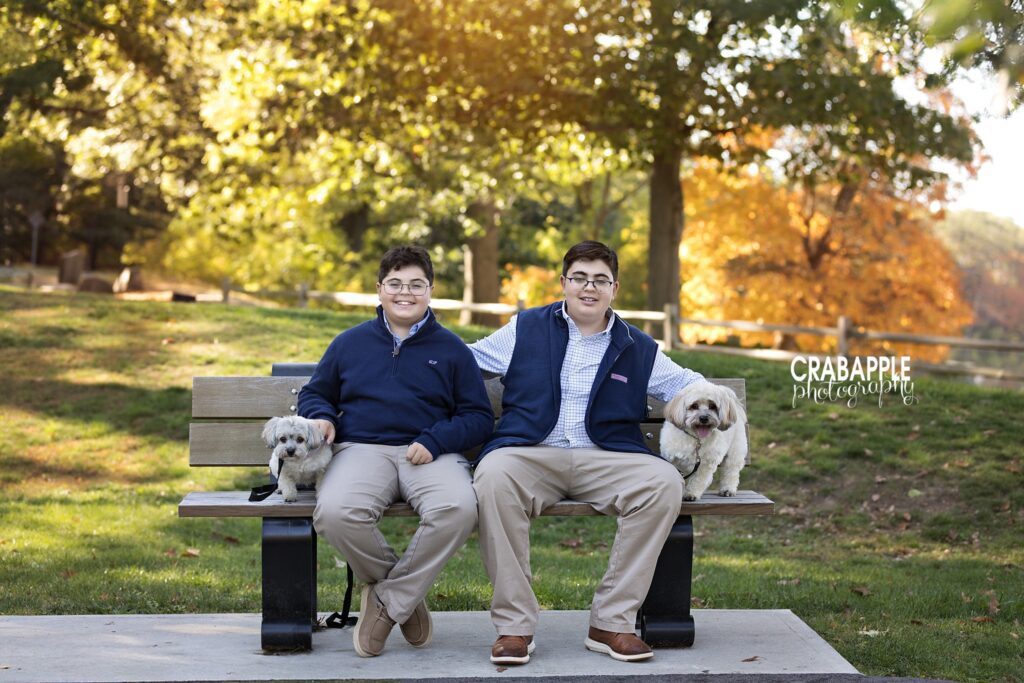
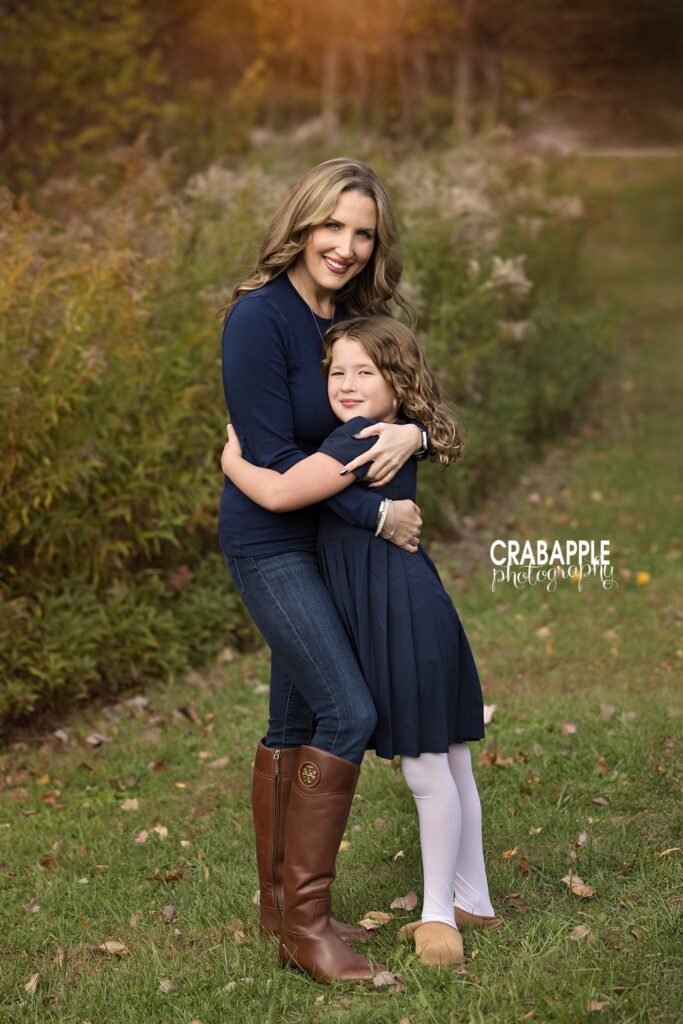
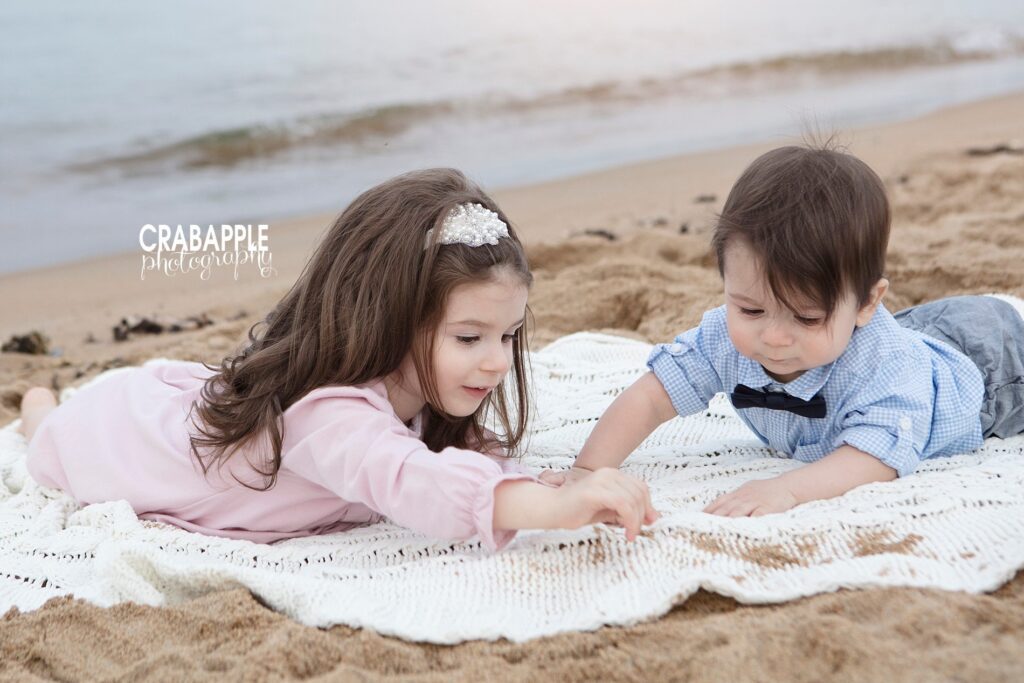
A family can sit together on a blanket, in the grass, on a rock wall, on a dock, or directly on the sand at the beach. These quieter moments create an opportunity for cuddling, talking, and simply being close together.
The environment also becomes much more visible in these photographs. Instead of the family being the only focus, the grass, trees, beach, water, or surrounding landscape helps tell the story of where the photographs were taken.


Why Letting Children Explore and Have Fun Can Change The Whole Session
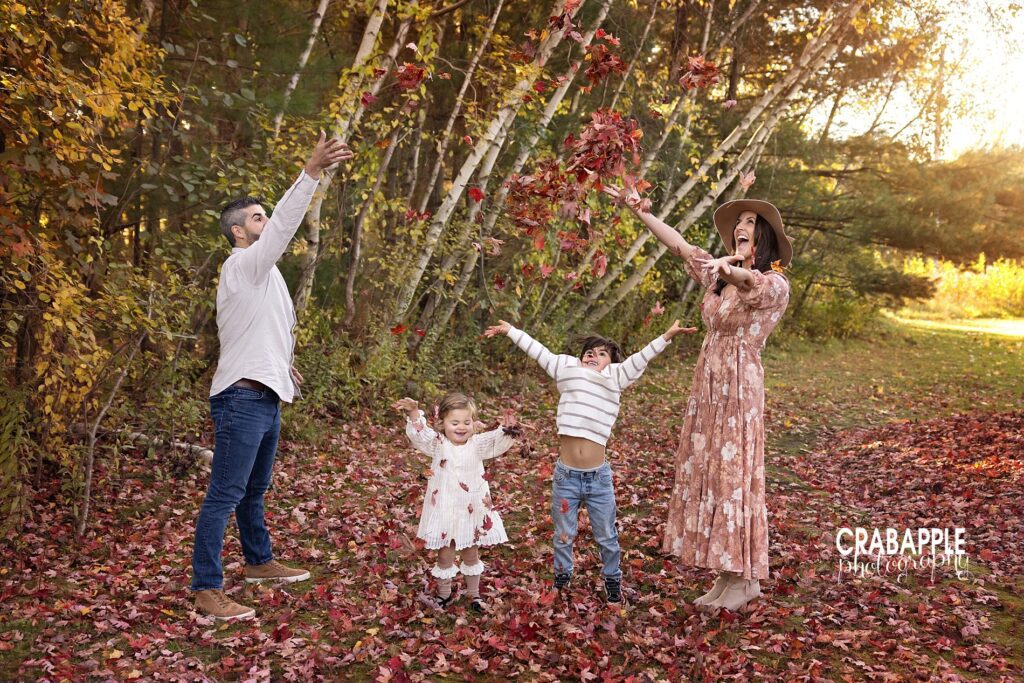
One of the reasons I love outdoor family sessions is that children don’t have to stay in one place. If there is tall grass, leaves, trees, rocks, flowers, or another interesting part of the landscape, we can use it.
Sometimes I’ll let children explore while their parents follow along. Other times, I’ll incorporate the parents into the activity so the entire family is interacting together.
These moments don’t have to look perfectly posed. In fact, that’s often what makes them work.
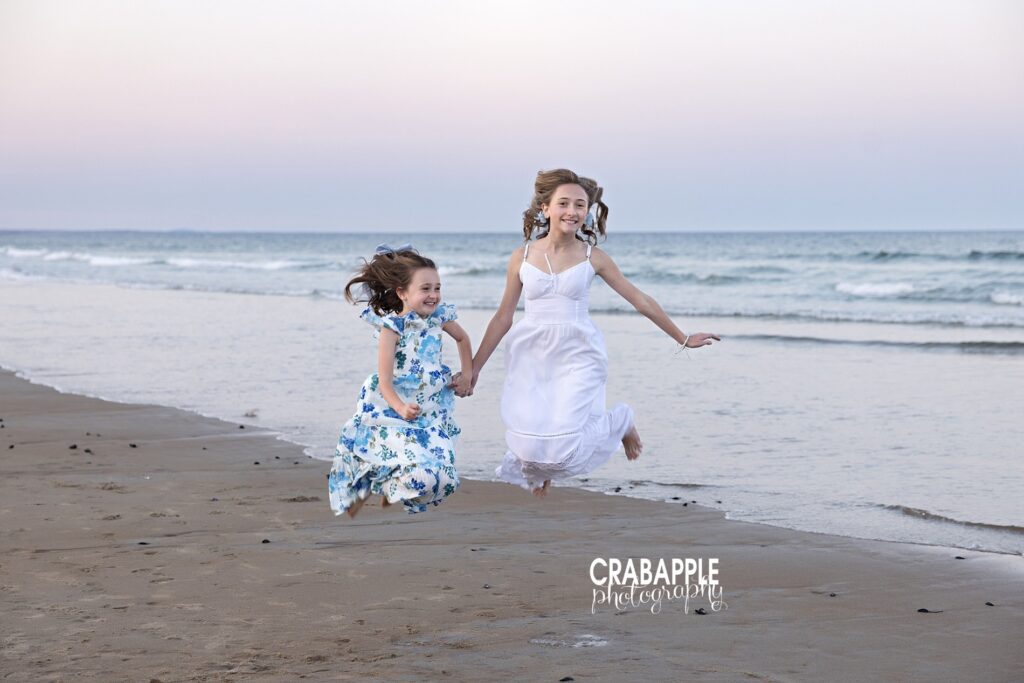
A child looking at something in the grass, siblings walking through a field, or a parent following a child down a path can all become part of the story of the session. And when all else fails, having everyone jump for joy is always a crowd favorite.

Why Using Trees, Paths, and the Natural Landscape is the Right Choice
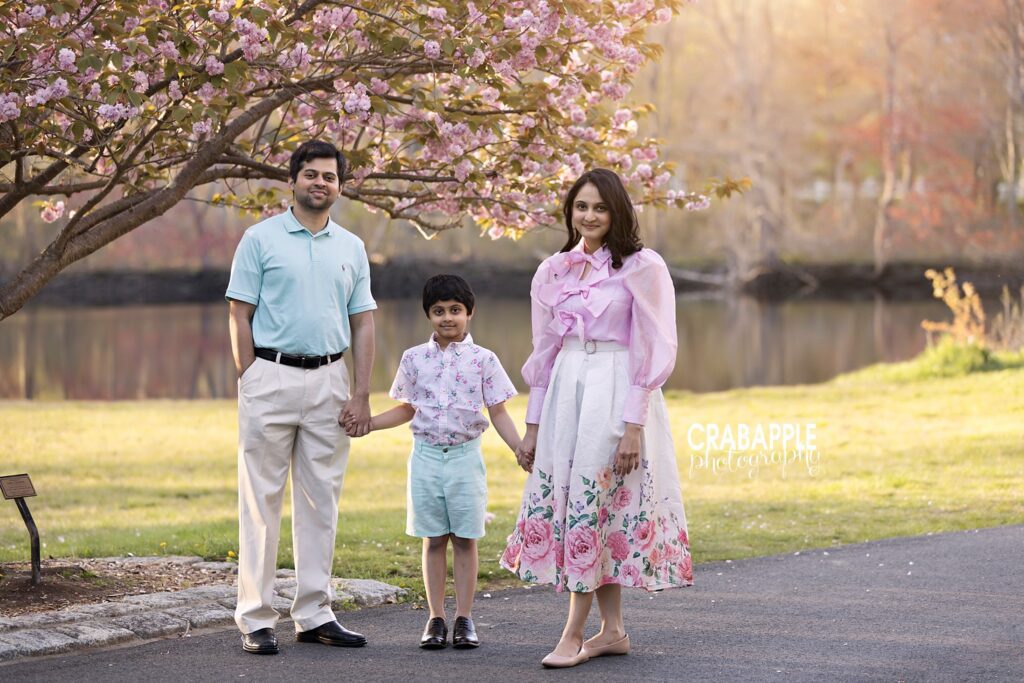
Outdoor locations give us something a studio can’t: a constantly changing background. Trees can frame a family, paths can create leading lines, and an open field can give a photograph a feeling of space. Even a simple patch of grass can create a beautiful setting when the light is right.
Rather than treating the landscape as a backdrop that the family simply stands in front of, I like to use it as part of the composition. A family walking between rows of trees will create a completely different photograph than the same family standing in an open field. A family sitting beneath a tree feels different from one photographed along the shoreline.
This is one of the reasons outdoor family photos can feel so personal. The location becomes part of the memory.
How to Use the Beach Environment in Family Photo Poses
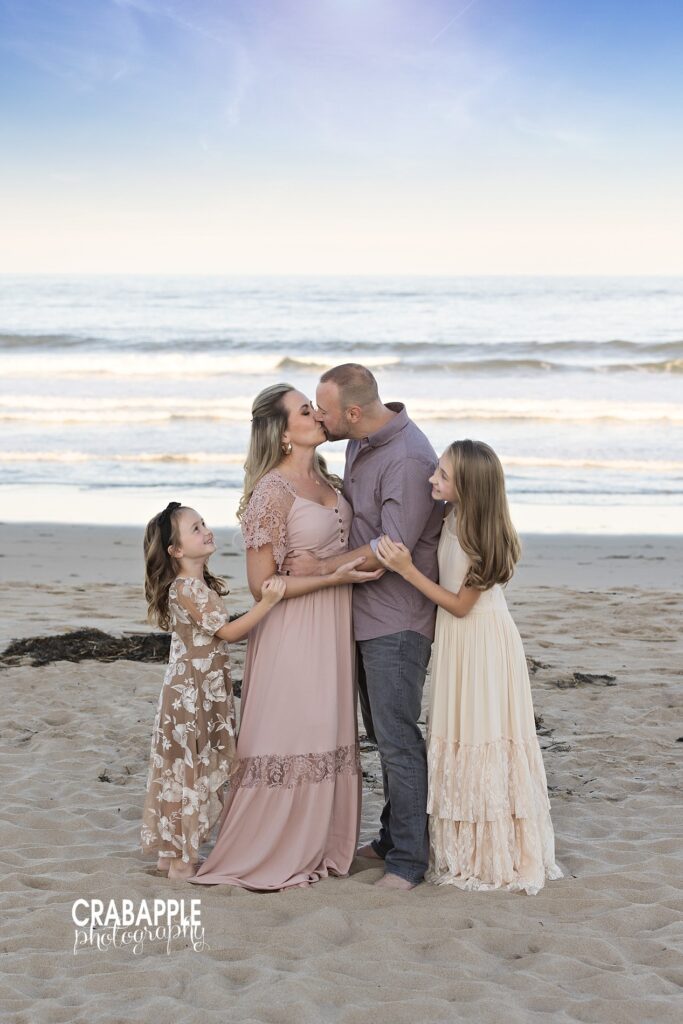
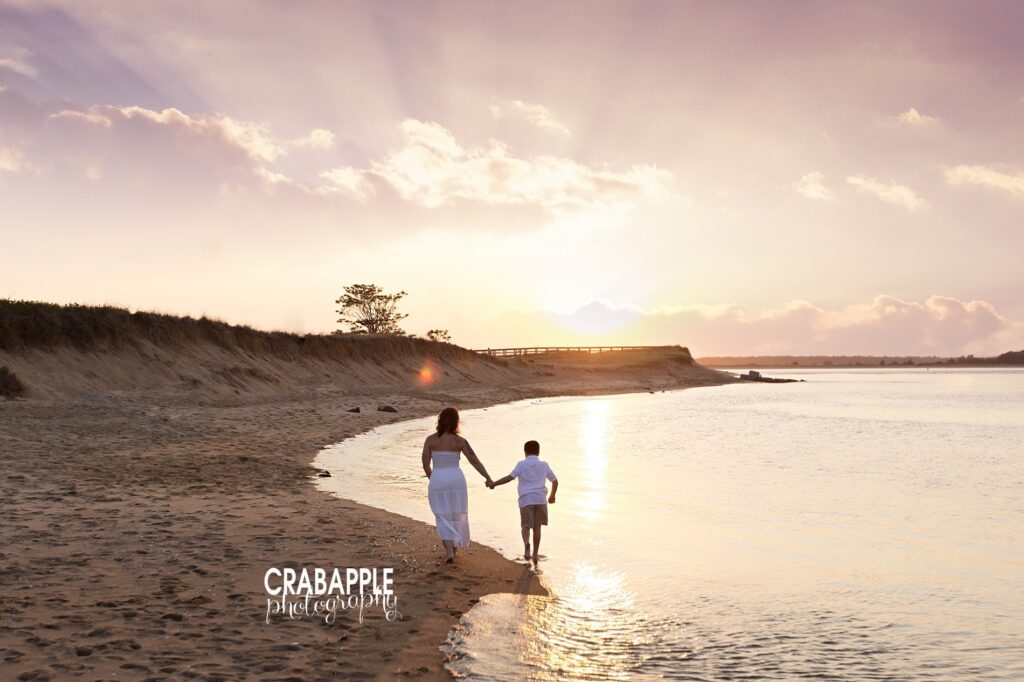
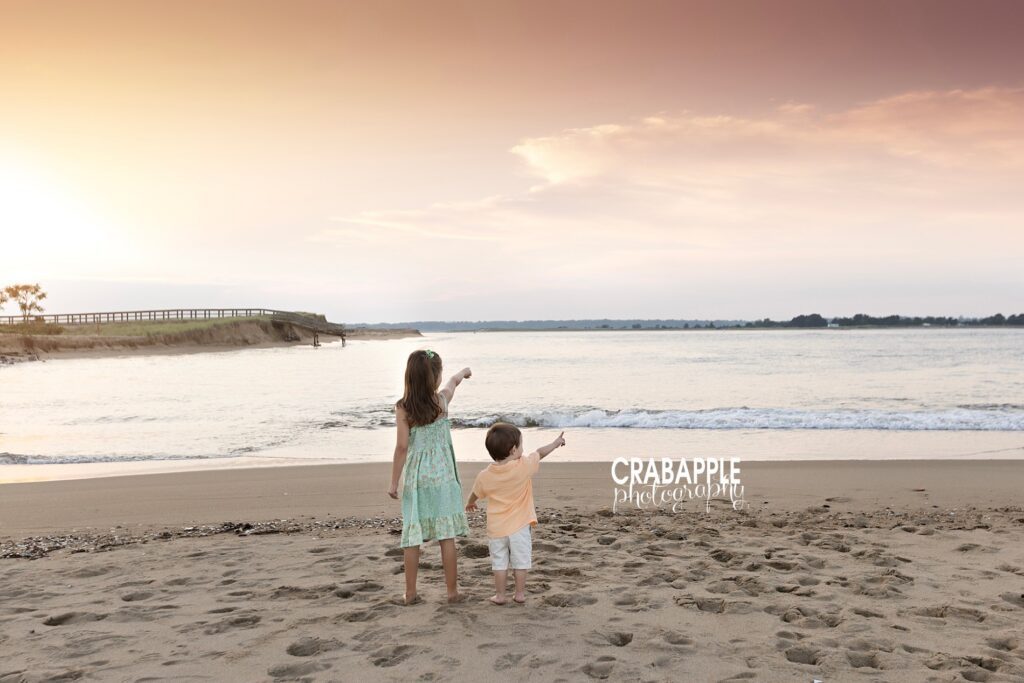
Beach sessions give us even more opportunities for movement. Families can walk along the shoreline, hold hands in the sand, let children run toward the water, sit together on the beach, or simply look out toward the ocean.
The beach also creates a much more open composition. Instead of trees or buildings surrounding the family, there may be nothing but sky, sand, and water. That simplicity can be especially beautiful around sunset, when the changing light creates warmth and depth in the photographs.


How to Pose Families Looking Out at the Scenery
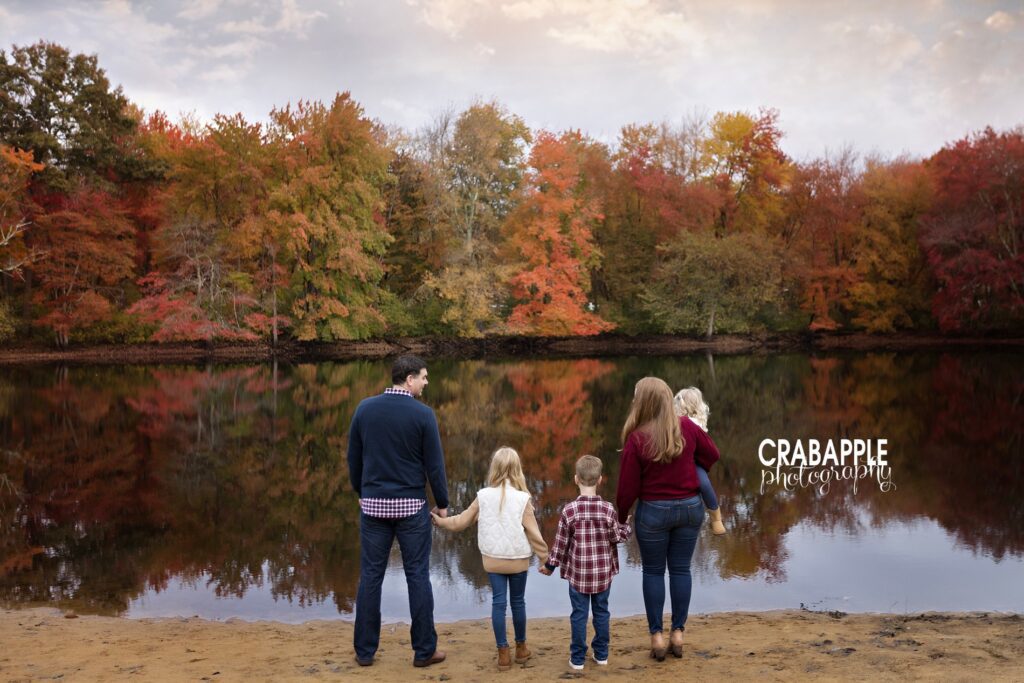
Not every family photograph needs direct eye contact with the camera. Sometimes I’ll position a family so everyone is looking toward the ocean, across a field, into the trees, or toward the sunset.
These photographs tend to feel quieter than the more playful images in the gallery. They give the family a chance to slow down and let the location become the focus for a moment.
They’re also a beautiful way to create variety in a gallery without introducing another complicated pose.


How to Make the Most of Golden Hour and Sunset for Portraits
Outdoor family photography is heavily influenced by the light, and one of my favorite times to photograph families is during the hour before sunset.
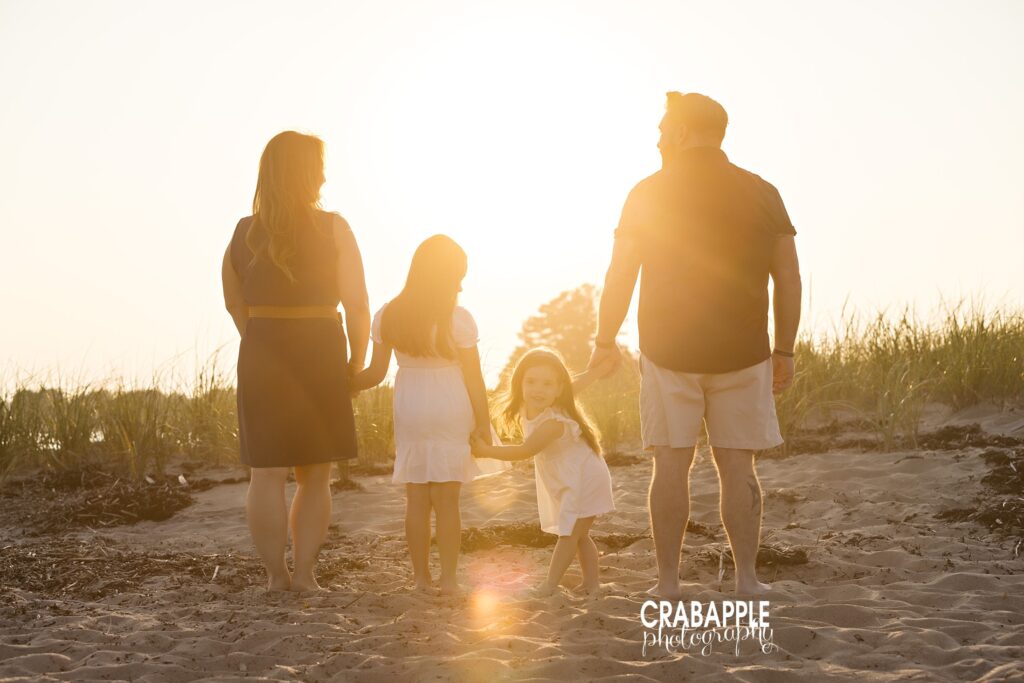
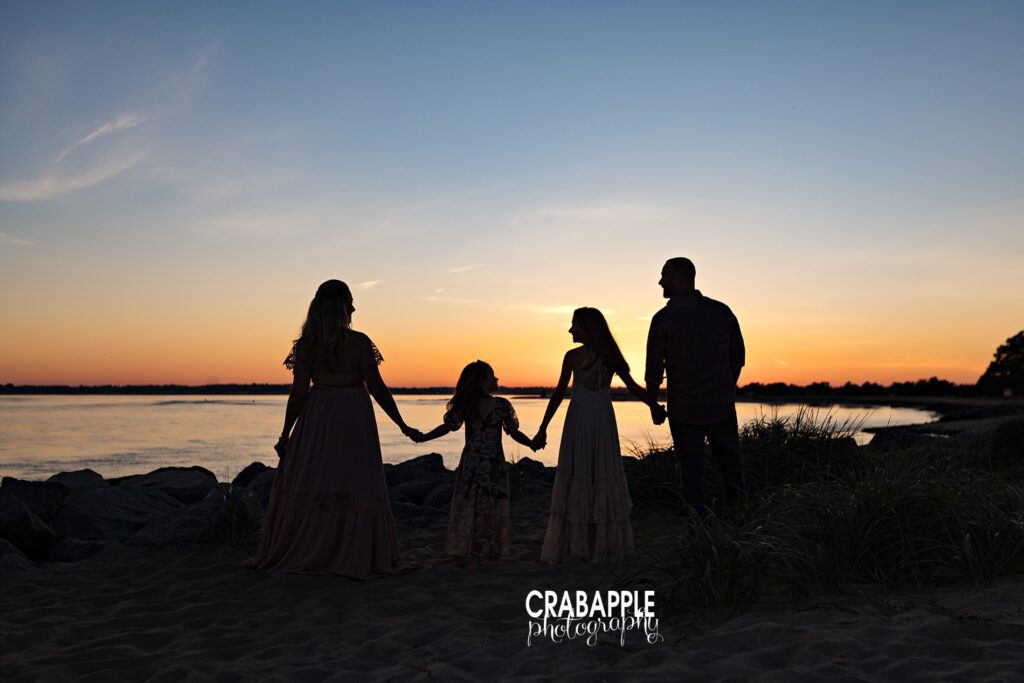
The lower sun creates softer, warmer light and can backlight families beautifully. It also gives us opportunities for more dramatic photographs as the sun gets closer to the horizon.
This is where silhouettes, sun-filled images, and photographs looking out toward the landscape can become especially effective.
Rather than trying to force the same pose in every lighting situation, I can use the changing light to create a completely different feeling as the session progresses.

Why Movement Works So Well for Outdoor Family Photos
The goal of an outdoor family session isn’t to make your children stand perfectly still for an hour.
Movement gives everyone something to do.
Walking gives nervous children a chance to warm up. Running lets energetic kids be themselves. Piggyback rides and swinging create natural interaction with parents. Exploring the landscape gives children something interesting to focus on.
And while I’m photographing all of that movement, I’m also looking for the quieter moments in between: the way a child reaches for a parent’s hand, siblings look at each other, or everyone naturally comes together after running around.
That combination of movement and connection is what creates a gallery that feels varied and genuine.

What Makes Posing Outdoors Different?
Outdoor sessions come with a few things that we simply can’t control in the same way we can in a studio.
Uneven Ground
Families may be standing on grass, sand, rocks, paths, or other uneven surfaces. Instead of fighting the environment, I work with it and adjust where everyone stands so the final image still feels balanced.
Wind
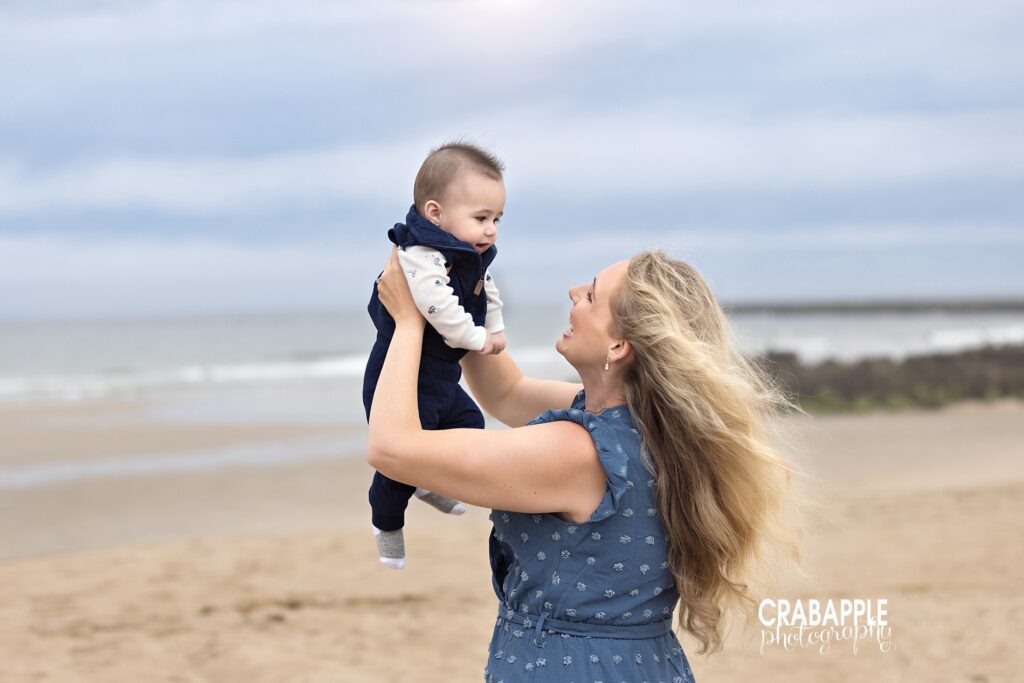
Wind can change everything from hair and clothing to the overall feeling of an image. Sometimes we work with it rather than trying to eliminate it. Movement in dresses, hair, and loose clothing can add energy and make an outdoor portrait feel even more connected to the environment.
Changing Light
Outdoor light changes constantly, particularly around sunrise and sunset. I’ll adjust where I place the family based on the available light rather than expecting one location or pose to work throughout the entire session.
Movement
And then there’s the biggest difference of all: families can move.
That’s something I want to take advantage of rather than avoid.
The goal isn’t for every photograph to look perfectly posed. It’s to create a collection of images that shows your family interacting, exploring, laughing, and simply being together.

Planning Outdoor Family Photos?
Whether you’re planning family photos in Boston, on the North Shore, or somewhere else in New England, outdoor portraits don’t need to feel stiff or overly posed. You can check out more on Pinterest or Instagram.
I’ll guide your family throughout the session and use the location, light, and natural interactions to create a gallery with a mix of classic portraits, playful moments, and genuine connection. You can learn more by reaching out via email or you can text me at (617) 918-7149.


